
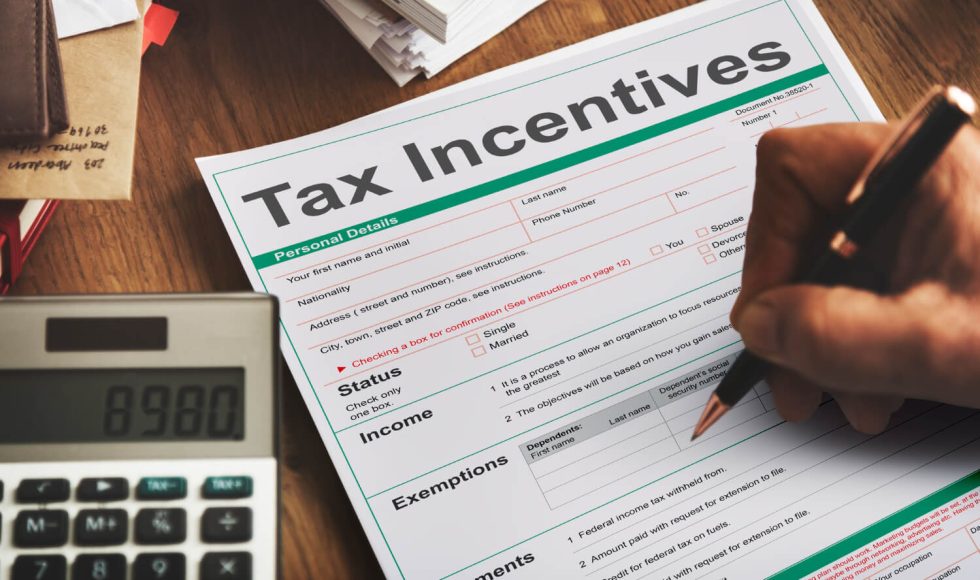
You earn well. You pay your taxes. But every year, you look at how much goes to FIRS and wonder if there is a better way to handle it.
There is. The problem is that most Nigerians treat tax as a flat obligation. You earn, you file, you pay. But the Nigerian tax code has allowances, reliefs, and deductions built into it. The people who actually benefit from them are the ones who plan around their specific situation, not the ones who just hand everything over to an accountant in March.
That is what personalised tax planning means. It is not about dodging tax. It is about structuring your income, expenses, and investments so you only pay what you legally owe and not a kobo more.
This article breaks down how it works, what reliefs are available to you under Nigerian law, and how to build a tax plan that actually fits your life.
What Is Personalised Tax Planning?
Personalised tax planning is the practice of arranging your finances to reduce your tax liability based on your specific income sources, family situation, business structure, and financial goals.
It is different from generic tax advice because it starts with you. A salaried employee in Lagos does not have the same tax exposure as a business owner in Abuja or a freelancer earning in dollars. Each person has different reliefs available, different filing requirements, and different opportunities to reduce what they owe.
Under the Personal Income Tax Act (PITA), every Nigerian resident is entitled to a Consolidated Relief Allowance (CRA) of N200,000 plus 20% of gross income. That is before you even get to other deductions. But many people do not claim what they are entitled to because nobody looked at their numbers closely enough to spot the opportunity.
You can read more about the CRA provisions in the Personal Income Tax Act (as amended) on the FIRS website.
Tax Reliefs Most Nigerians Do Not Know About
Nigeria’s tax laws have several built-in reliefs that reduce how much you owe. The challenge is that most people never hear about them until after they have already overpaid.
Here are the key ones worth knowing:
Consolidated Relief Allowance (CRA): N200,000 or 1% of gross income (whichever is higher) plus 20% of gross income. This applies to all individuals.
Pension contributions: Contributions to a Retirement Savings Account under the Pension Reform Act 2014 are tax-deductible. The minimum employee contribution is 8% of basic salary, transport, and housing allowances. Voluntary contributions above the mandatory rate may also qualify for relief, subject to conditions set out by the National Pension Commission (PenCom). Details are available on the PenCom website.
National Housing Fund (NHF): Contributions to the NHF are tax-deductible. The contribution rate is 2.5% of basic salary for employees earning the national minimum wage or above, as provided under the National Housing Fund Act.
Life insurance premiums: Premiums paid on life insurance policies may qualify for tax relief under PITA, provided the policy meets certain conditions.
Gratuities: Under the PITA, approved gratuity schemes may be exempt from personal income tax.
The difference between someone who claims all of these and someone who claims none can be hundreds of thousands of naira per year. That is the value of a personalised approach.
How Personalised Tax Planning Works in Practice
A good tax plan starts with a full picture of your financial life. That means looking at your income streams, your expenses, your dependants, your investments, and your short-term and long-term goals.
From there, a financial adviser maps out which reliefs and deductions apply to you, what timing strategies could reduce your taxable income, and how your business structure affects your obligations.
For example, if you run a business as a sole proprietor, you are taxed under personal income tax rules. But if you incorporate, your business income falls under the Companies Income Tax Act (CITA), which has different rates and different deduction rules. The right structure depends on your revenue, your growth plans, and how you pay yourself.
Timing matters too. If you make a large pension contribution before the end of a tax year, that amount reduces your taxable income for that year. But if you wait until next year, you will have missed the window.
This is not something you figure out from a blog post alone. It requires someone who understands both the law and your specific numbers.
Common Tax Planning Mistakes to Avoid
The biggest mistake is doing nothing. Many Nigerians treat tax filing as a once-a-year chore and never think about it again. By the time they realise they overpaid, the money is gone.
Other common mistakes include:
Not keeping records of deductible expenses throughout the year. If you cannot prove the expense, you cannot claim the relief.
Confusing tax avoidance (legal) with tax evasion (illegal). Personalised tax planning sits firmly on the legal side. It uses the deductions and reliefs that are written into the law.
Ignoring changes in tax law. The Finance Act is updated regularly. The most recent amendments affect things like VAT thresholds, minimum tax calculations, and small business exemptions. Staying current matters. You can track updates through the Federal Inland Revenue Service (FIRS) website.
Relying on a generalist accountant who files your returns but never proactively plans around your situation.
Who Benefits Most from Personalised Tax Planning?
Personalised tax planning is not just for the wealthy. If you earn enough to pay income tax, you stand to benefit.
That said, it tends to have the most impact for:
High-income employees who are in higher tax brackets and have more room to offset through reliefs and deductions.
Business owners who can structure their income, expenses, and compensation to reduce their overall tax burden.
Freelancers and contractors who manage their own tax filings and often miss deductions they are entitled to.
People with multiple income streams who need to understand how each source is taxed and how they interact.
How Lukefield Can Help You Build a Tax Plan
At Lukefield Finance, our financial advisory team works with individuals and businesses to build tax plans that are specific to their situation.
That means we do not hand you a generic checklist. We look at your income, your obligations, your goals, and the current tax law, and we put together a plan that reduces what you owe while keeping you fully compliant.
As a CBN-licensed finance company, we understand the regulatory environment that shapes how Nigerians earn, save, invest, and pay tax. We use that knowledge to help you make better decisions with your money.
If you have been paying more tax than you should, or you simply want to be more intentional about how you manage your finances, speak to our advisory team to get started.
The Bottom Line
Personalised tax planning is not a luxury. It is a basic financial practice that most Nigerians are missing out on.
The tax code gives you tools to reduce what you owe. The question is whether you are using them. If you are not, you are leaving money on the table every single year.
Start by reviewing the reliefs listed above. Then talk to a financial adviser who can look at your specific numbers and build a plan around them. That is the difference between filing your taxes and actually managing them.