
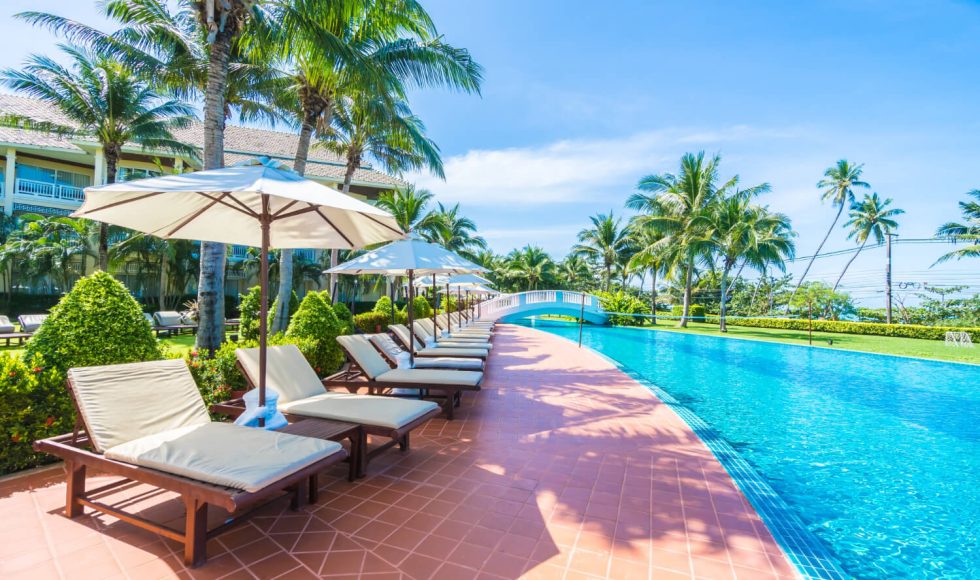
Owning a second property in a holiday destination is becoming increasingly attractive to Nigerian professionals and business owners. Whether it’s a beachfront apartment in Lekki, a villa in Ibeju-Lekki near the emerging Lekki Free Trade Zone, or a retreat in Ibadan or Abeokuta, the appeal is real: a personal getaway that could also grow in value and generate rental income.
But is a vacation home actually a good investment in the Nigerian context? The answer depends on what you expect from it, how much you can afford to tie up in property, and whether you’re treating it as a lifestyle purchase or a financial asset.
The Financial Case for Vacation Property in Nigeria
Nigerian real estate, particularly in Lagos and Abuja, has historically appreciated over time. Land values in areas like Ibeju-Lekki, Epe, and emerging corridors near major infrastructure projects have multiplied several times over the past decade. Buyers who got in early on developments near the Dangote Refinery, the Lekki Deep Sea Port, or new expressway projects have seen strong capital appreciation.
Short-term rentals through platforms like Airbnb have also grown rapidly in Nigeria. Lagos, in particular, has a strong market for serviced apartments and holiday lets targeting both local and international visitors. If your property is well-located, well-furnished, and properly managed, rental income can help offset carrying costs.
There’s also a hedge-against-inflation angle. With the naira losing purchasing power year after year, holding a tangible asset like property can preserve wealth better than keeping large sums in a savings account. Real estate tends to track or exceed inflation over the long term, making it a useful component of a diversified portfolio.
The Costs Most Buyers Underestimate
Buying a second property in Nigeria comes with costs that go well beyond the purchase price. Agency fees, legal fees, survey costs, and government consent fees (often called “Governor’s Consent”) can add 10% to 15% on top of the property’s value. Annual land use charges and tenement rates add recurring costs.
Maintenance is a constant expense, especially in coastal areas where salt air accelerates wear on buildings. Generators, diesel, security, estate service charges, and general upkeep can easily run ₦200,000 to ₦500,000 per month, depending on the property. If you’re not there regularly, you’ll need a caretaker or property manager, which is another cost.
Rental Income: Promise vs. Reality
Rental income projections for vacation properties in Nigeria often look better on paper than in practice. Occupancy rates fluctuate with the economy, and Nigeria’s economic cycles can be sharp. When times are tight, short-term rental bookings drop quickly.
Property management is also harder than most owners expect. Dealing with tenants, cleaning, maintenance, and marketing takes time or money (often both). Bad tenants can cause damage that wipes out months of rental income. And in many Nigerian estates, short-term letting is restricted or frowned upon by resident associations.
If you do plan to rent, be realistic. Research actual occupancy rates in your target area, not developer projections. Talk to existing owners. And factor in at least two to three months of vacancy per year.
When a Vacation Home Makes Sense
A vacation property is a reasonable choice when you can afford it outright or with minimal financing, when you’ll use it regularly (at least 30 days per year), and when it’s in a location with strong long-term demand. It also helps if the property is within driving distance. A weekend house in Epe or Abeokuta that you visit regularly is a very different proposition from a property in Calabar that you see once a year.
For families, the value of having a dedicated space for holidays, extended family gatherings, and weekends away is real and hard to quantify. If creating those experiences matters to you and the finances work, it can be a deeply rewarding purchase.
When It Does Not
A vacation home is a poor choice when the purchase stretches your budget, when you’re relying on rental income to cover costs, or when you’re buying primarily as a speculative bet on appreciation. Nigerian property is not as liquid as other asset classes. Selling can take months or years, and you may not get your asking price.
If your primary goal is growing your money, there are more efficient options. Tenured investment products, treasury bills, mutual funds, and structured savings plans offer returns without the management burden. Lukefield Finance’s investment products, for instance, offer competitive yields, CBN-regulated security, and the flexibility to access your funds when you need them.
The Bottom Line
A vacation home in Nigeria can be a rewarding addition to your life, but it’s better understood as a lifestyle decision with financial implications than as a pure investment play. If you can afford it, you’ll use it, and if you go in with clear expectations, it can work. But if your priority is wealth building, putting that capital into liquid, well-structured financial products will almost always deliver better risk-adjusted returns with far less hassle.
Before committing to a property purchase, consider speaking with a financial advisor to model the true costs against alternatives. Lukefield Finance’s advisory team can help you assess whether a vacation property fits your broader financial plan or whether your money could work harder elsewhere.